Category: Uncategorised

  • Shaping My Creative Identity in Animation

    After completing my research on industry directions and exploring the roles of character design and storyboarding, I have gained a clearer understanding of what I value most in animation: the balance between narrative-driven and character-driven storytelling. I enjoy working with both approaches and feel capable of building stories that grow organically from character motivations while also ensuring narrative flow. My preference for stylised, hand-drawn 2D frame-by-frame animation further shapes how I think about performance, emotion, and visual clarity.


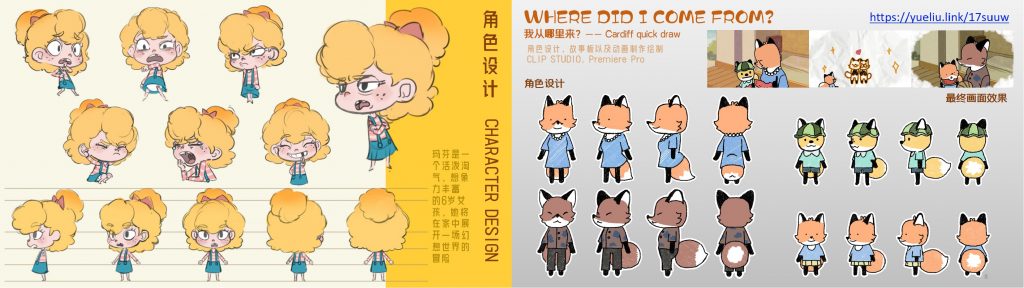
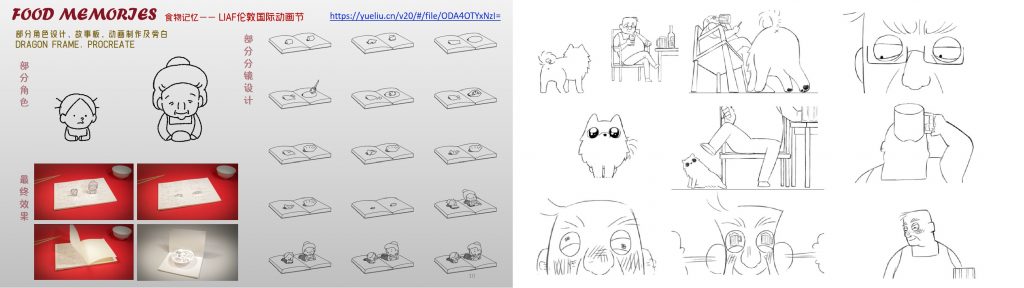
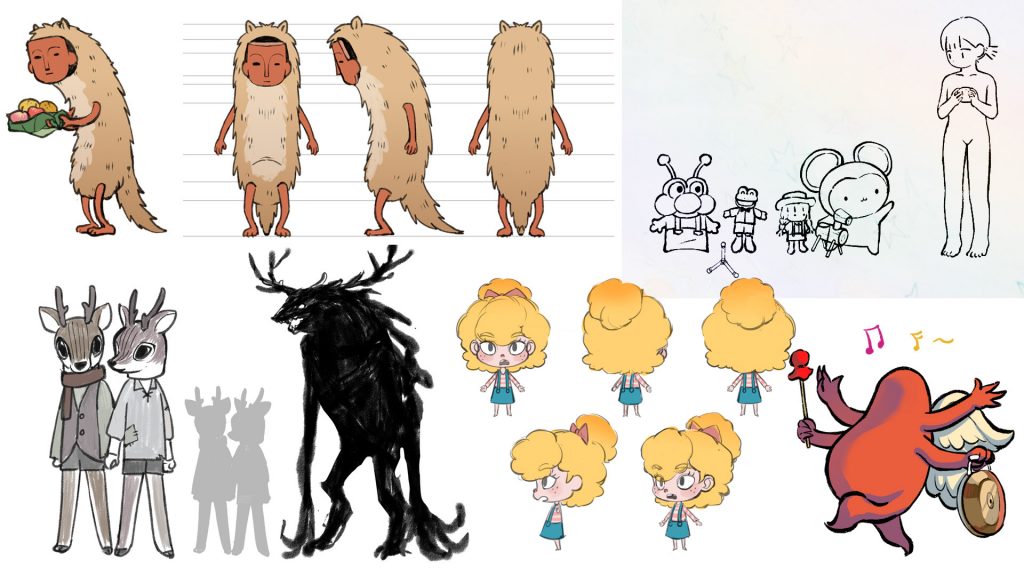
    In terms of character design, I believe my strengths lie in my ability to create a diverse range of characters and express different styles according to the story’s needs. The characters I have designed vary from anthropomorphic animals and fairytale-like children to mysterious shadow creatures and humorous mascot-type figures. Despite their stylistic differences, they share a consistent line quality and clear shape language, demonstrating my ability to maintain internal coherence across a variety of concepts. Many of my designs also emphasise personality readability—where a character’s expression, silhouette, and attitude communicate their temperament at first glance. This reflects my habit of treating narrative purpose as the foundation of character creation, ensuring that every design serves the emotional tone and thematic direction of the story.


    In storyboarding, I focus heavily on aligning camera language with character behaviour and emotional intention. When working on stories told from a child’s or small creature’s point of view, I often use low-angle shots, strong perspective, and more dynamic scene transitions to capture their sense of scale and curiosity. For first-person emotional storytelling, I prefer steadier, more intimate framing that mirrors the character’s subjective experience. This approach helps me maintain consistency between story tone, character psychology, and visual structure, allowing viewers to connect more naturally with the narrative.


    At the same time, I recognise several areas where I need further improvement: developing a more structured approach to shape language, refining character design sheets, strengthening my command of Storyboard Pro and other industry tools, improving composition and pacing, and studying staging and acting within camera movement more deeply. These skills are essential for working professionally in either character-focused or story-focused pipelines.


    Looking ahead, I plan to continue building my portfolio through several concrete steps: participating in small collaborative animation projects, keeping track of job postings from domestic and international studios, producing regular short animation or composition exercises, and consistently creating character design sheets and narrative storyboards. Through ongoing practice and professional engagement, I hope to eventually join a studio that values expressive characters, strong storytelling, and stylised 2D animation—an environment where I can contribute meaningfully to the creation of immersive and emotionally resonant worlds.

  • How Character and Story Shape My Creative Practice

    As I explored different positions within the animation industry, I gradually realised that I am especially drawn to two interconnected roles: Character Design and Storyboarding. These positions respectively shape how characters are constructed and how stories are visually communicated, and both resonate strongly with my previous creative experience. They not only define the style and tone of a project, but also influence how audiences perceive emotion and narrative—making them key areas I hope to develop further in the future.


    Character designers are responsible for establishing the visual language of characters, including shape language, proportions, expressions, costumes, and pose design. They also produce model sheets, expression sheets, and ensure that characters remain animatable and stylistically consistent across different scenes. Strong character design must balance visual appeal with narrative clarity. My interest in this role comes from my own experience designing characters across various projects. In my work, character designs always evolve in response to the story’s background, tone, and thematic intentions. For example, when creating a fairytale-like adventure, I prefer distinctive shapes and clean, bright lines and colours to emphasise a sense of playfulness. In contrast, for first-person emotional narratives, I shift toward softer, rounder lines and lower colour contrast, allowing the character to blend harmoniously into the overall emotional atmosphere.

    some of my character designs


    Storyboard artists transform scripts into visual storytelling, shaping composition, pacing, camera movement, character acting, and the overall flow of scenes. This role requires a strong understanding of cinematic language, timing, emotion, and spatial relationships, as well as the ability to draw quickly and clearly. I am drawn to storyboarding because it determines the rhythm and emotional trajectory of a story from its earliest stage, directly influencing how the audience understands and connects with the characters. When constructing storyboards, I focus on aligning visual decisions with a character’s personality and emotional state. Beyond clear storytelling, I adapt the camera language to suit the protagonist’s traits. For instance, when working with stories featuring children or small animals, I often use low-angle shots, strong perspective, and more dynamic scene transitions. In contrast, for first-person emotional narratives, I adopt steadier, more intimate shot choices that stay close to the character’s viewpoint.


    In my industry research, I consulted ScreenSkills’ professional descriptions of both roles and watched talks from See No Evil to understand how these positions operate within real production pipelines. Reviewing studio showreels and job listings also helped me identify essential skills, such as proficiency in Photoshop or Storyboard Pro, visual clarity, and strong communication abilities.


    Overall, studying these two roles has confirmed my interest and potential in both character expression and visual storytelling. Moving forward, I aim to continue practising character design, composition, gesture, and shot pacing, gradually building the skills required to contribute to story-driven creative teams.

  • What Guides My Career Choices in Animation?

    For my future career path, I am currently most interested in working within the animation industry in China. This is partly because I am more familiar with the cultural background and market environment there, and partly because I have already conducted considerable research on the structure and development of Chinese animation. Although opportunities overseas are also appealing, China remains my clearest and most realistic direction at this stage.

    Two companies I particularly admire are NetEase and HMCH (寒木春华).

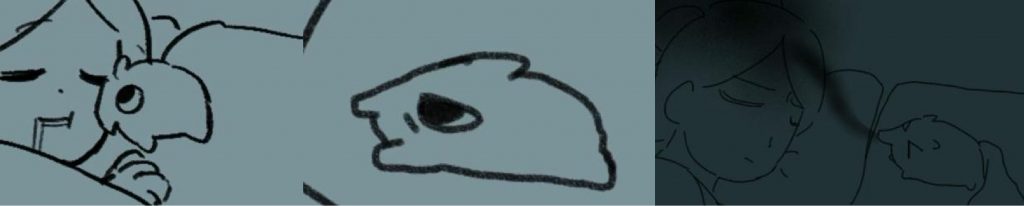
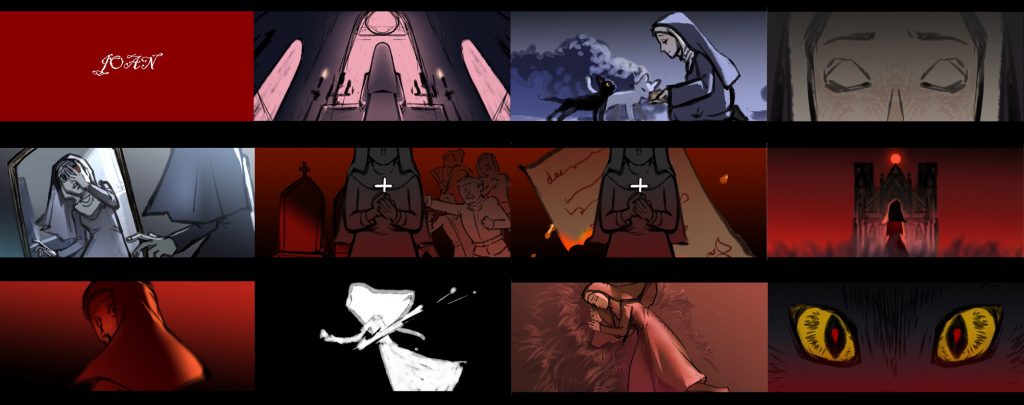
    Regarding NetEase, I previously took part in their Video Director test and successfully passed. The task required analysing a promotional PV, designing and drawing a storyboard based on it, and constructing the written narrative to present the character’s story. I genuinely enjoyed this process, especially the analysis of character motivation and personality.

    some of the character-introduction storyboards I created

    I am strongly drawn to diverse character types and to the challenge of expressing emotional nuances visually. After researching NetEase’s past projects, I found myself attracted to their wide range of character designs and their willingness to explore multiple visual styles. Because of this, I have been keeping an eye on their ongoing job opportunities and recruitment updates.

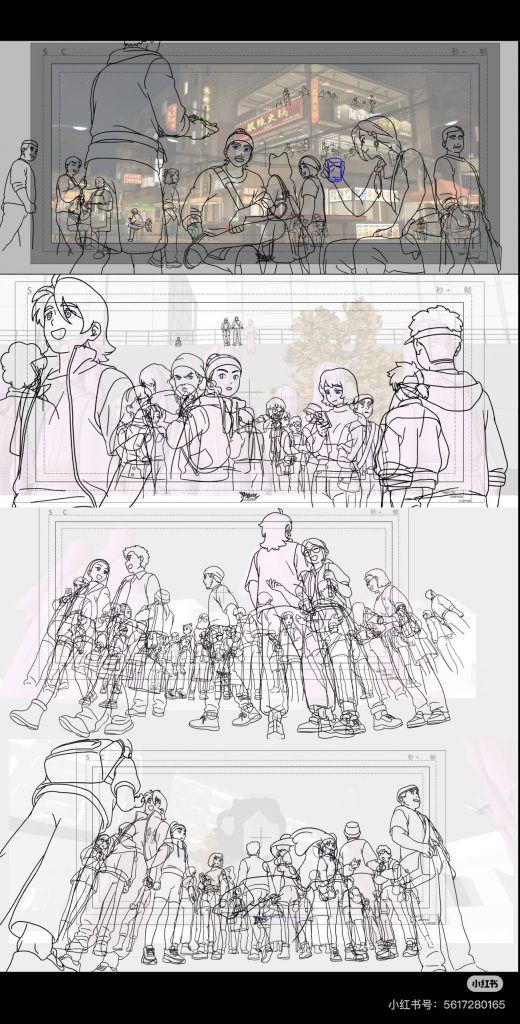
    HMCH attracts me in a different way. After watching The Legend of Hei 2, I was deeply impressed by the studio’s meticulous production quality, the warmth and clarity of its storytelling, and the immersive worldbuilding. The characters feel alive—each with distinct traits and emotional depth—which creates the sense of a living, breathing world. Learning more about their production process made me aware of how demanding and labour-intensive this kind of animation work can be, yet it is also exactly the type of high-quality, character-driven storytelling I aspire to be part of. I hope that one day I will have the opportunity to contribute to such a richly constructed world.

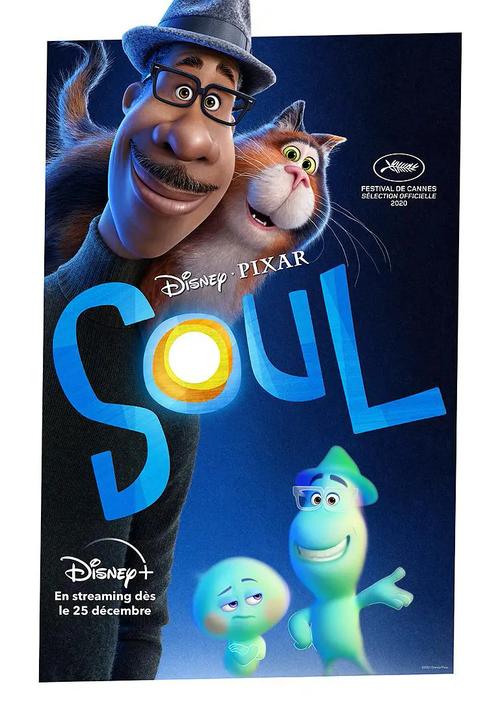
    the various characters in the movie

    Overall, my current career interest lies in animation environments that prioritise strong narrative, expressive characters, and cohesive worldbuilding. Moving forward, I aim to continue developing my skills and industry understanding, and gradually work toward opportunities in the companies and creative spaces that inspire me the most.

  • Hello world!

    Welcome to myblog.arts. This is your first post. Edit or delete it, then start blogging!